Reflective roofing matters in North Texas because the sun punishes buildings for most of the year. On a July afternoon in Rockwall, a dark roof can reach 160–180°F. That heat radiates down into offices, retail floors, and warehouse aisles, which drives cooling costs and wears out HVAC equipment. Cool roof systems keep that heat out. They reflect sunlight, release absorbed heat faster, and stabilize roof temperatures throughout long summer days. The result is a cooler building, lower energy bills, and a longer roof life.
SCR, Inc. General Contractors installs energy efficient roofing across Rockwall County and the greater DFW area. The team focuses on reflective membranes, high-solids silicone coatings, and insulation packages that fit the local climate. This article explains how reflective roofing works in DFW weather, what materials succeed on local buildings, and when a cool roof makes business sense for Rockwall commercial properties.
Why North Texas Sun Demands Cool Roof Thinking
The DFW climate brings high solar radiation, long cooling seasons, and large day-night temperature swings in spring and fall. That mix hurts conventional dark roofs. Asphalt and dark single-ply membranes soak up solar energy and store it. The rooftop temperature rises fast by late morning. As the roof heats and cools each day, seams and flashing move. Over time that cycle leads to cracking, seam stress, and leaks. Roofers call this thermal shock. The effect is worse on older roofs with brittle materials or weak adhesion.
There is also the urban heat island effect to consider along the I-30 corridor and denser retail clusters near The Harbor Rockwall. Paved surfaces and dark roofs hold heat into the evening. That raises cooling demand for nearby buildings and makes rooftop AC units work harder and longer. For facilities in Northshore and Buffalo Creek, sustained rooftop heat can shave years off HVAC service life and push energy spend higher than necessary.
Cool roof systems break that cycle by reflecting a large portion of incoming sunlight and releasing stored heat faster. The roof runs cooler. Movement at seams and penetrations drops. HVAC loads decline because rooftop air and ductwork stay cooler, and rooftop AC units do not bake in a 150-degree environment for hours on end.
What “Reflective” Actually Means: Solar Reflectance and Thermal Emittance
Two properties define a cool roof’s performance. Solar reflectance is the percentage of sunlight the roof reflects. Thermal emittance is the roof’s ability to shed the guide to energy efficient roofing heat it does absorb. A high-performing cool roof does well at both. In practice, white TPO membranes, PVC membranes, and high-solids silicone or acrylic coatings deliver high reflectance. Silicone often holds its reflectivity longer in intense UV. Acrylics can chalk over time but remain effective when maintained. PVC and TPO membranes combine reflectivity with strong seams and puncture resistance.
SCR, Inc. uses CRRC-rated products and publishes reflectance and emittance data with every proposal. On a typical Rockwall office building, a bright white membrane can cut peak rooftop temperature by 40–60°F compared to a dark roof. That temperature drop is not a small detail. It drives most of the energy savings and slows down the aging that leads to cracks and leaks.
Materials That Work in Rockwall: Silicone, TPO, and PVC
Different buildings need different solutions. A retail center with multiple tenant penetrations calls for a reinforced single-ply that handles foot traffic and mechanical platforms. A large warehouse with a sound but aging metal roof might do best with a fluid-applied silicone system that seals fasteners and seams and restores waterproofing without a tear-off.
- TPO roofing is popular on local warehouses and office complexes. Reinforced TPO membranes reflect sunlight well and offer welded seams that stand up to wind and ponding events. SCR, Inc. installs reinforced TPO membranes with high-reflectivity finishes to create a seamless barrier against the Texas sun. PVC roofing offers chemical resistance and strong heat-welded seams. Duro-Last’s PVC system is well regarded for consistent factory-controlled seams and predictable performance, which protects flat roofs over restaurants, retail, and medical facilities near Lake Ray Hubbard. High-solids silicone coatings excel for roof restoration. Silicone handles ponding water better than many acrylics and resists UV degradation. On metal roofs, a silicone membrane with reinforced fabric at seams can stop leaks, cover fasteners, and improve reflectivity in a single project with minimal disruption. Acrylic coatings can be effective on smooth single-ply restorations and low-slope substrates with good drainage. They reflect well and cost less upfront, though they usually require more maintenance cycles than silicone in harsh sun. Insulation matters. Polyisocyanurate (Polyiso) boards are the DFW standard for raising R-value while providing a smooth substrate for single-ply membranes. On re-roofs, adding Polyiso improves the total building envelope and reduces heat flow into conditioned spaces. Expanded polystyrene (EPS) can appear in tapered packages and recover boards but is less common as the primary insulation layer on commercial flat roofs in North Texas.
How a Cool Roof Reduces Energy Use and HVAC Wear
A lower roof temperature reduces the load on rooftop AC units. When rooftop ambient temperatures drop, the condenser works more efficiently. That can extend equipment life on RTUs and heat pumps. SCR, Inc. has seen this benefit on office parks in Stone Creek and distribution facilities east along the I-30 corridor. After a reflective re-roof, the same units cycle less often during peak hours. Maintenance teams report fewer high-pressure faults and fewer nuisance trips on overheated units.
On metal roofs and older membranes, high reflectivity also reduces thermal movement. Seams stop stretching as far. Flashing around scuppers and penetrations holds longer. Over 5–10 years, the repair count drops and the roof ages more gracefully. Thermal shock slows down. That translates into fewer emergency calls after heat waves or sudden summer storms.
Drainage, Details, and Why Installation Quality Drives Results
Reflectivity is part of the story. Drainage still rules. Ponding water adds weight and holds heat after sundown. It also shortens coating lifespan if the chemistry is not ponding-rated. SCR, Inc. evaluates slope, scupper sizing, and internal drains on every project. Tapered Polyiso can correct low spots and move water to scuppers or drains. On restorations, reinforced details at seams and penetrations keep the waterproof layer intact under thermal cycling.
Seam tape, primer selection, and adhesion testing matter as much as the membrane itself. For example, silicone coatings usually require a compatible primer on EPDM or certain aged surfaces. Acrylics want a dry, clean surface and a clear weather window. TPO and PVC systems rely on proper welding temperature and probe testing of seams. The Rockwall wind environment along Lake Ray Hubbard also argues for perimeter enhancements, stronger fastener schedules, and careful flashing at walls where gusts funnel between buildings.
Rockwall Context: Where Cool Roofs Win
Rockwall is a fast-growing commercial hub on the east side of Lake Ray Hubbard. The I-30 corridor concentrates big roofs that sit under long hours of sunlight. Retail centers at The Harbor and along Ridge Road see heavy foot traffic and rooftop equipment density. Office parks in Buffalo Creek and Northshore operate with strict comfort expectations and rising energy costs. Warehouses near Fate and Royse City balance large cooling loads and budgets that favor operational savings.
In these settings, energy efficient roofing delivers two clear benefits. First, it cuts peak cooling demand and lowers monthly bills. Second, it reduces roof stress that leads to leaks and unplanned repairs. For building owners in 75087 and 75032, those gains show up quickly during the long North Texas summer.
SCR, Inc. is frequently on sites near The Harbor Rockwall and service roads along I-30. Crews handle projects from Chandlers Landing to Breezy Hill and respond across Rowlett, Wylie, Forney, Terrell, Greenville, Garland, and Royse City. That local presence helps with quick inspections and storm response, including hail-driven insurance claims.
What a Thermal Roof Inspection Reveals
A free Thermal Roof Inspection uses infrared thermal cameras to spot trapped moisture, seam failures, and heat anomalies around penetrations. Under evening conditions, wet insulation cools slower than dry insulation. That contrast helps locate hidden damage that would undermine a new coating or membrane. The inspection also looks at ponding patterns, scupper performance, and mechanical unit curbs. On buildings with solar panels, the team checks shading, foot traffic routes, and wire management to protect the roof skin.
Owners often couple the thermal scan with an energy audit. That review pulls recent utility data, HVAC maintenance logs, and thermostat setpoints. By pairing roof findings with energy patterns, SCR, Inc. can forecast realistic savings. In many Rockwall cases, energy reductions land in the 10–30 percent range after a reflective re-roof or restoration, depending on prior roof color, insulation levels, and HVAC condition.
Materials and Brands With Proven Track Records
Materials matter more than marketing. SCR, Inc. installs CRRC-rated membranes and coatings from recognized manufacturers. The team provides certified installations of GAF and Mule-Hide products for durability and warranty support. For superior leak protection and energy savings on low-slope commercial roofs, the Duro-Last PVC system is a strong choice with NDL warranty options. Carlisle SynTec and Firestone Building Products add depth for TPO and accessories.
For restoration, high-solids silicone from leaders like Conklin Roofing Systems provides strong UV resistance and ponding tolerance. Acrylics still have a place on sound substrates with good drainage and owners who plan for periodic re-coats. Metal systems can integrate with silicone or acrylic membranes to address fasteners, seams, and oxidation while gaining reflectivity.
The Science in Practice: A Common Rockwall Scenario
Consider a 60,000-square-foot warehouse near the I-30 corridor with a 12-year-old TPO roof. The membrane is darkened by age, seams show minor stress, and ponding occurs after heavy rains. The building houses light manufacturing and relies on multiple RTUs. Cooling costs rise each June and remain high into September.
A practical solution is a restoration using an elastomeric system. The crew cleans the surface, repairs seams with reinforced fabric and seam tape, primes where required, and applies a high-solids silicone membrane to a specified mil thickness. Scuppers and flashing get extra attention. If budget allows, tapered Polyiso improves drainage at problem areas. The result is a reflective, seamless layer that reduces rooftop temperatures and seals the existing membrane. Downtime stays low and the project avoids a full tear-off. Post-project monitoring often shows lower runtime on HVAC units by mid-afternoon, fewer service calls for overheated RTUs, and improved comfort at floor level.
Another scenario is a retail center in Northshore with aging modified bitumen. Here, a complete re-roof with a white TPO or PVC membrane gives the longest runway. A new insulation package raises R-value, cuts conductive heat gain, and provides a smooth deck for the membrane. Welded seams deliver reliable waterproofing around numerous rooftop penetrations for tenant improvements and restaurant hood vents.
Addressing Common Problems: From UV Damage to Ponding Water
DFW roofs fight UV, thermal shock, and storm events. UV damage dries out older membranes and flashings. Thermal shock stresses seams during spring and fall temperature swings. Ponding water forms in low-slope sections after heavy thunderstorms. Reflective systems respond in a few ways. UV-resistant coatings and bright membranes limit surface temperature so materials retain flexibility longer. Reinforced seams and proper primers hold under thermal cycling. Tapered insulation corrects low spots, and silicone handles intermittent ponding better than many alternatives. Where persistent ponding cannot be eliminated, SCR, Inc. adjusts product choices to match site realities.
HVAC placement also affects roof life. Rooftop AC units drip condensate and concentrate foot traffic. Reflective systems reduce the ambient temperature around RTUs, which helps compressors run cooler and seals last longer. Protective walk pads and smart routing of maintenance paths prevent punctures and wear patterns.
Codes, Ratings, and The Path to Rebates
Energy Star and CRRC ratings give objective data on reflectance and emittance. For North Texas, these ratings help compare products and secure utility rebates where available. Some Texas utilities have offered incentives for reflective roofs or insulation upgrades on commercial buildings. Availability changes year to year. SCR, Inc. reviews current programs during the proposal phase and helps document reflectance values, insulation R-values, and installation details. For insurance-driven projects after hail or wind, the company’s former insurance adjusters handle documentation and code upgrade questions, including cover board requirements and drainage corrections that improve long-term performance.
Where Cool Roofs Fit on Residential Properties
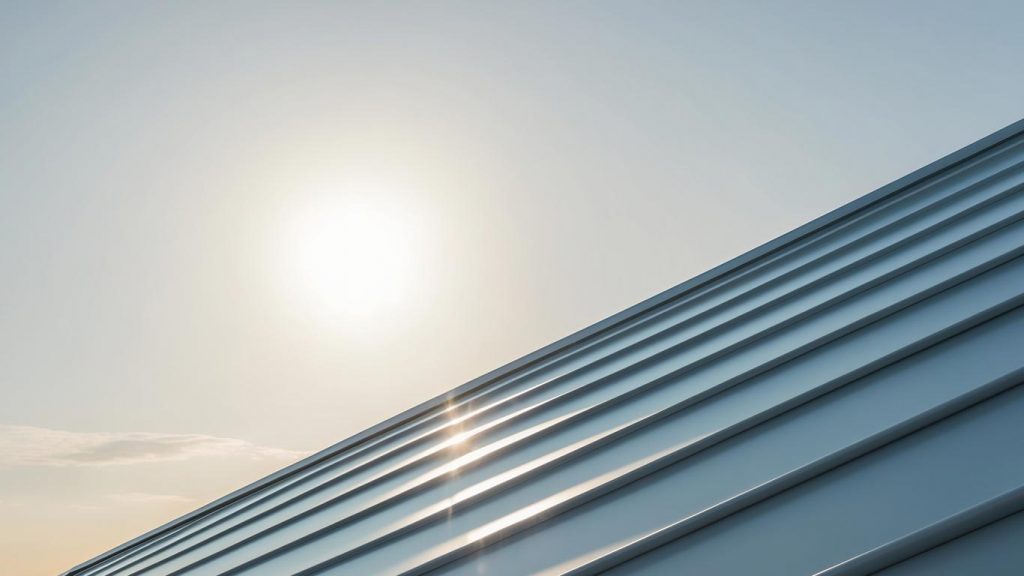
While this article focuses on commercial roofs, homeowners around Rockwall, Heath, and Fate also ask about reflective options. Light-colored composition shingles with Energy Star ratings reduce attic temperatures, though gains are smaller than on flat commercial roofs. Metal roofing with reflective paint systems performs well and sheds heat quickly after sunset. In every case, attic ventilation and insulation still drive comfort. For home projects in Shores on Lake Ray Hubbard and Chandlers Landing, SCR, Inc. evaluates attic airflow, ridge and soffit venting, and radiant barriers in combination with reflective roof surfaces.
The Local Picture: Rockwall Service Zones and Response
Proudly serving commercial property owners throughout Rockwall 75087 and the surrounding 75032 lakefront communities, SCR, Inc. deploys crews where business density and sun exposure are highest. The team is frequently seen on commercial projects along the I-30 corridor and near The Harbor Rockwall. From large retail roofs in Northshore to office parks in Buffalo Creek, solutions are built around energy efficient roofing goals and site constraints. For owners with facilities in Rowlett, Royse City, Wylie, Forney, Terrell, Garland, and Greenville, the company provides consistent standards and warranty support across portfolios.
What to Expect During a Cool Roof Project
Every project starts with a roof condition report and an energy conversation. The assessment uses infrared cameras, core samples if needed, and moisture readings. The team documents UV damage, seam health, flashing, scuppers, and drainage. If the roof is a good candidate for restoration, the plan outlines cleaning, primer type, reinforced details, and target mil thickness. If a re-roof is more cost-effective, the proposal compares TPO and PVC membranes, outlines insulation options like Polyiso recover boards, and specifies perimeter details for Rockwall wind exposure.
During installation, crews protect interior spaces, coordinate with tenant schedules, and manage odor control for coatings near air intakes. They seal around rooftop AC units, heat pumps, solar panel stanchions, and conduits with compatible flashing systems. A final walkthrough includes warranty documents, reflectance data, and maintenance guidance. Owners receive photos and a simple checklist for quarterly inspections.
Quick Comparison: Coatings vs. Single-Ply Membranes
- Coatings excel on sound substrates. They lower temperature, seal minor cracks, and cost less upfront. Silicone handles ponding, while acrylic suits dry, well-drained roofs. TPO and PVC membranes deliver longer warranties and tougher seams. They are ideal when the old roof is near the end of its service life or when the building has heavy mechanical traffic.
Brands, Credentials, and Why That Matters
Vendor support and installer credentials protect owners. SCR, Inc. offers factory-certified installations for Duro-Last and GAF and provides NDL warranty options where applicable. The company uses Mule-Hide and Carlisle membranes when the specification calls for them. For energy efficient roofing decisions, CRRC-rated products and Energy Star listings keep the process objective. As a member of The Good Contractors List with a $10,000 quality guarantee, SCR, Inc. backs each cool roof project with documented standards. The company is BBB accredited, supports insurance claim work for hail and wind, and holds GAF Master Elite credentials on the steep-slope side for clients with mixed portfolios.
FAQ: Energy Efficient Roofing in Rockwall
Does a cool roof really lower A/C bills in Rockwall? Yes, reflective systems reduce roof surface temperatures and lower rooftop ambient heat around RTUs. Many owners see 10–30 percent cooling savings after installation, depending on insulation levels, prior roof color, and HVAC efficiency.
What is the ROI on a reflective roof coating vs. a full replacement? Coatings often deliver faster payback due to lower upfront cost when the existing roof is a sound candidate. Full replacements with TPO or PVC can yield stronger long-term ROI when the old roof is failing or when insulation upgrades are needed for year-round efficiency.
Are there local Texas incentives for energy efficient commercial roofing? Programs vary. Some utilities and regional programs offer rebates for reflective roofs or insulation upgrades. SCR, Inc. checks current incentives during the proposal stage and provides documentation.
How does ponding water affect cool roofs? Ponding adds stress. Silicone coatings tolerate intermittent ponding better than many acrylics. Tapered Polyiso and improved drainage help long term. The right product depends on site conditions.
Will a cool roof help rooftop solar? Yes. A cooler roof creates a better thermal environment for panels and can support safer access routes. The reflective surface may slightly increase diffuse light, with no typical downside when racking and wiring are handled correctly.
Commercial Cool Roof Systems for Rockwall, TX
Cool roof systems make clear sense for Rockwall’s retail centers, office parks, and warehouses. They address high energy bills, UV damage, and thermal shock. They reduce ambient heat for rooftop equipment and stabilize the building envelope. SCR, Inc. installs reflective TPO, PVC, metal restoration systems with silicone or acrylic membranes, and insulation packages that raise performance across seasons. The team handles details around scuppers, flashing, seam tape, and primer selection, and coordinates with rooftop AC units, heat pumps, and solar panel arrays to protect the entire system.
Property managers in The Harbor, Shores on Lake Ray Hubbard, and Stone Creek turn to reflective roofing to keep tenants comfortable and budgets predictable. Owners along the I-30 corridor rely on durable, energy efficient roofing to handle UV and sudden storms. Whether the project calls for a Duro-Last PVC system, a reinforced TPO roof from GAF or Mule-Hide, or a high-solids silicone restoration, the goal remains the same — a cooler, tougher roof that pays back in energy and maintenance savings.
Schedule a free infrared thermal inspection and energy audit with SCR, Inc. today. See where your building loses energy, identify moisture concerns before they spread, and price the right path — reflective coating, re-roof, or a staged plan that fits your operating calendar. Serving Rockwall 75087 and 75032, and neighboring areas from Rowlett to Royse City, the team is ready to help your building beat the Texas heat.
SCR, Inc. General Contractors provides roofing, remodeling, and insurance recovery services in Rockwall, TX. As a family-owned company, we handle wind and hail restoration, residential and commercial roofing, and complete construction projects. Since 1998, our team has helped thousands of property owners recover from storm damage and rebuild with reliable quality. Our background in insurance claims gives clients accurate estimates and clear communication throughout the process. Contact SCR for a free inspection or quote today.
SCR, Inc. General Contractors
440 Silver Spur Trail
Rockwall,
TX
75032,
USA
Phone: (972) 839-6834
Website: https://scr247.com/, Storm damage roof repair
Map: View on Google Maps
Social Media: Yahoo Local